 Welcome
 Calendar
 Today's Word
 Lauds
Lauds Terce
Terce Sext
Sext None
None Vespers
 Compline
 Matins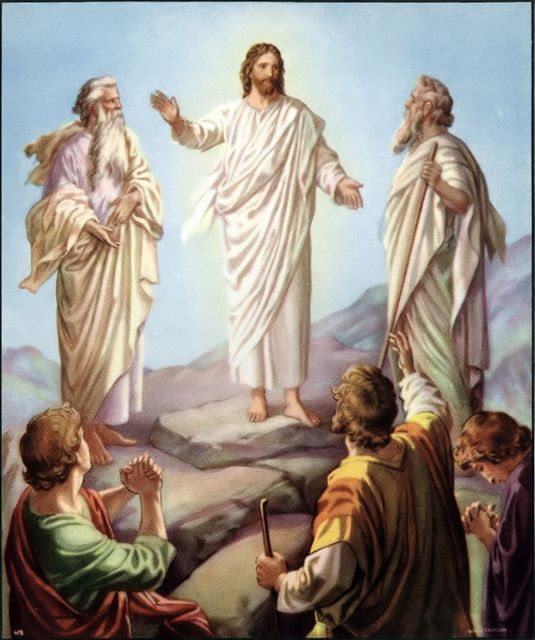
4th Sunday after the Epiphany
As Christians, I hope you have all had mountain-top experiences, transformational encounters with God that lift you high above the worries, stresses and problems of life. Moments of pure joy spent with the Lord where you can forget the problems of life on a fallen planet I was reminded today watching an funny animals video that this world is full of conflict for everyone even animals.
Often when you have the really big spiritual mountain-top experiences there is afterwards a backlash from the enemy as you come down the mountain into a valley containing a new trauma, problem or issue. Don't let the valley steal the peace you found on the mountain top.
The disciples had the ultimate mountain-top experience with Jesus - they were present for what we call the Transfiguration, but they didn’t really understand that the transfiguration was happening because Jesus was heading to Jerusalem, on the road to His deepest valley, the valley of the shadow of death.
There were several epiphanies and revelations after the mountain top, as Jesus continued to be revealed as the Messiah. Then they faced the valley. Had they understood the mountain top of Pentecost that awaited them on the other side of the valley they may not have been so devastated in the valley - Jesus knew. Because of that valley He is today only a prayer away. So if you are struggling in a valley, ask for a vision of the next mountain top.